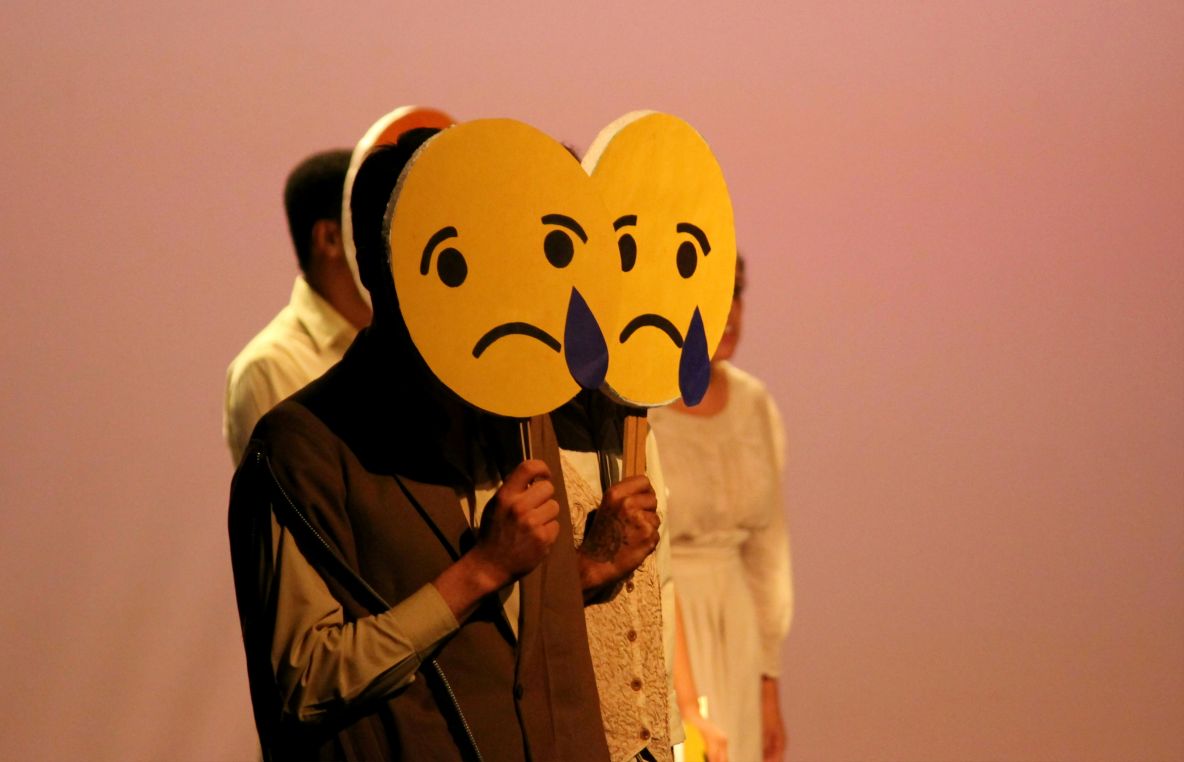
If you are currently searching for “how to recharge myself,” you are likely past simple stress and facing a critical state of depletion. Emotional Burnout is more than just needing a weekend off; it is a profound, systemic breakdown caused by prolonged and untreated stress. It leaves you feeling cynical, ineffective, and utterly drained.
At Urgent Psych, we understand that this deep fatigue is a sign that your mental health system is in overload. We offer immediate, compassionate support to stabilize your mental state and help you transition from coping to recovery. This guide will help you understand, address, and ultimately overcome Emotional Burnout, showing you precisely how to re charge your mind and body.
1. Defining the Crisis: What is Emotional Burnout?
Emotional burnout is officially classified as an occupational phenomenon, but its effects bleed into every area of life. It’s a chronic state, not an acute moment of stress, and is characterized by three key dimensions:
- Exhaustion (Physical & Emotional): This is the core symptom. It’s a pervasive feeling of emptiness and fatigue that isn’t relieved by sleep or rest. You may feel like you have nothing left to give, and you constantly wonder, “how do you recharge?”
- Cynicism (Depersonalization): A tendency toward a negative, detached, or callous response to your work and your relationships. You may feel mentally distant or overly critical.
- Reduced Professional Efficacy: A feeling of ineffectiveness and a lack of accomplishment. Despite long hours, you feel incapable of performing well or solving problems.
When this deep exhaustion is coupled with severe, overwhelming physical symptoms like those seen in panic attacks, it may escalate to the point where you need immediate, professional care. If your symptoms include overwhelming fear or physical distress, you can learn more about managing acute episodes on our related post: Beyond Worry: Getting Immediate and Compassionate Severe Anxiety Attack Help.
2. Your Three-Step Recovery Plan: How to Get Rid of Emotional Burnout
To effectively get rid of emotional burnout, you must commit to a structured recovery plan that moves beyond temporary fixes. Here is a framework to help you recharge myself for the long term:
Phase I: Rest and Reset (The Immediate Step)
The first step toward figuring out how to recharge yourself is stopping the energy drain.
- Implement a ‘Say No’ Policy: Immediately stop taking on new responsibilities, even minor ones. Every “no” is a deposit back into your mental health account.
- Prioritize Foundational Needs: Treat sleep, nutrition, and hydration as critical treatment steps. An exhausted mind cannot heal a deprived body.
- Schedule True Downtime: Book time in your calendar for things that require no cognitive effort—sitting quietly, reading a non-work book, or listening to music. This is non-negotiable restoration time.
Phase II: Reflect and Reframe (The Insight Step)
Once rested, you must identify and challenge the mindsets that led to burnout.
- Identify the ‘Burnout Triggers’: Pinpoint the habits (perfectionism, inability to delegate, people-pleasing) that are draining you.
- Re-establish Boundaries: Implement clear, firm boundaries, especially around work and relationships. This is crucial for how to re charge. For example, turn off all work notifications after 6 PM.
- Reconnect with Meaning: What brought you joy before? Slowly reintroduce small, meaningful activities that are not tied to achievement.
Phase III: Seek Support and Sustain (The Clinical Step)
For many, emotional burnout requires professional support to resolve chronic underlying issues.
- Consult a Specialist: A psychiatric professional can assess the severity of your burnout, rule out conditions like severe depression or anxiety, and determine if medication is needed for stabilization.
- Therapeutic Intervention: A therapist can help you restructure your negative thought patterns and teach you sustainable coping mechanisms. You can view the comprehensive urgent care options we offer for these situations on our Our Services page.
- Build a Sustainable Routine: The goal is not just to recover, but to build a life structure that makes future burnout impossible. This is the ultimate answer to how to get rid of emotional burnout.
3. The Recovery Timeline: How Long Does it Take to Recover from Emotional Burnout?
The speed of recovery depends entirely on the severity of the burnout and your commitment to making permanent changes.
| Burnout Stage | Characteristics | Estimated Recovery Time |
| Mild | Increased fatigue, minor cynicism, short-term performance dip. | 1–3 Months of rest, boundary setting, and self-care. |
| Moderate | Deep fatigue, emotional numbness, physical symptoms (headaches, insomnia). | 3–6 Months of sustained lifestyle change and professional counseling. |
| Severe | Complete inability to function, persistent dread, hopelessness, crisis symptoms. | 6–12+ Months requiring intensive therapy, potential medication management, and significant life restructuring. |
Important Note: The timeline only begins once you stop the behaviors and exposure that led to burnout. If you return to the same demanding environment without making structural changes, recovery is impossible. If you are struggling with a mental health crisis resulting from severe burnout, we are here to help. At Urgent Psych, we treat a wide range of conditions across all ages. You can learn more about Who We Treat to see how we can assist you or your loved ones.
Your Next Step: Urgent Support from Urgent Psych
If your search for “recharge myself” comes from a place of deep desperation, don’t wait weeks for a standard appointment. Our mission at Urgent Psych is to provide immediate, same-day psychiatric care for exactly these situations.
We are a specialized alternative to the chaos of a general emergency room. Our expert clinicians are available via walk-in or telehealth to provide an immediate assessment, stabilize acute symptoms, and create a compassionate plan for your long-term recovery. Find out more about our philosophy and commitment to patient care on our About page.
Get Immediate Help Today.
You don’t have to face this crisis alone. Urgent Psych is here with compassionate, immediate care.
➡️ Call Us Now: 404.419.7786
➡️ Walk-In: Visit our center for immediate in-person help (check hours).
➡️ Telehealth: Schedule your virtual appointment online.
Frequently Asked Questions
Q: Is my feeling of chronic fatigue truly “Emotional Burnout”?
A: If the fatigue is coupled with feelings of cynicism, reduced professional effectiveness, and an inability to feel joy, you are likely experiencing Emotional Burnout. If these feelings are crippling your daily life, seeking an Immediate Evaluation and Diagnosis is necessary to confirm the issue and rule out other clinical diagnoses.
Q: If I’m severely burned out, should I go to Urgent Psych or an Emergency Room (ER)?
A: For most cases of Emotional Burnout, Urgent Psych is the most appropriate option. We offer Crisis Intervention and medication management in a calm, therapeutic setting. The ER should only be used if you have an active, imminent plan to harm yourself or others.
Q: Can a psychiatrist really help me overcome emotional burnout?
A: Yes. A psychiatrist can address the clinical components of burnout, such as persistent insomnia, severe anxiety, and depression. Our licensed prescribers can initiate Integrated Medication Management to stabilize your mood and sleep, providing the foundation you need to start the emotional recharge process.
Q: What if my child or teenager is showing signs of school or emotional burnout?
A: We treat adults and children ages 5+. Burnout often manifests in children as school avoidance, irritability, or social withdrawal. We can provide an immediate assessment and help develop a plan to address academic pressure and emotional overload.